🎨 Chongqing Art and Creativity: An Urban Art Adventure from Graffiti Streets to Cultural Parks
Who it's for: Art lovers, creative travelers, and anyone who wants to see a different side of Chongqing — beyond hot pot and light rail, into its vibrant streets, reborn factories, and grassroots art revolution.
Core Coverage: Huangjueping Graffiti Street → Eling Er Factory → Beicang → Jinshan Yiku → Open June Festival → Traditional Craft Revival → Art Travel Guide
Chongqing is quietly transforming — from a symbol of culinary delights and fantastical topography into the coolest artistic laboratory in Southwest China. Here, art is no longer confined to museums; it's the graffiti beneath your feet as you climb steep hills, and the new soul growing within old factory workshops.
🖼️ I. Introduction: A New Canvas for a Mountain City
Highlights
What comes to mind when you think of Chongqing? The bubbling red oil hot pot? The light rail train magically passing through a building? The misty river surface?
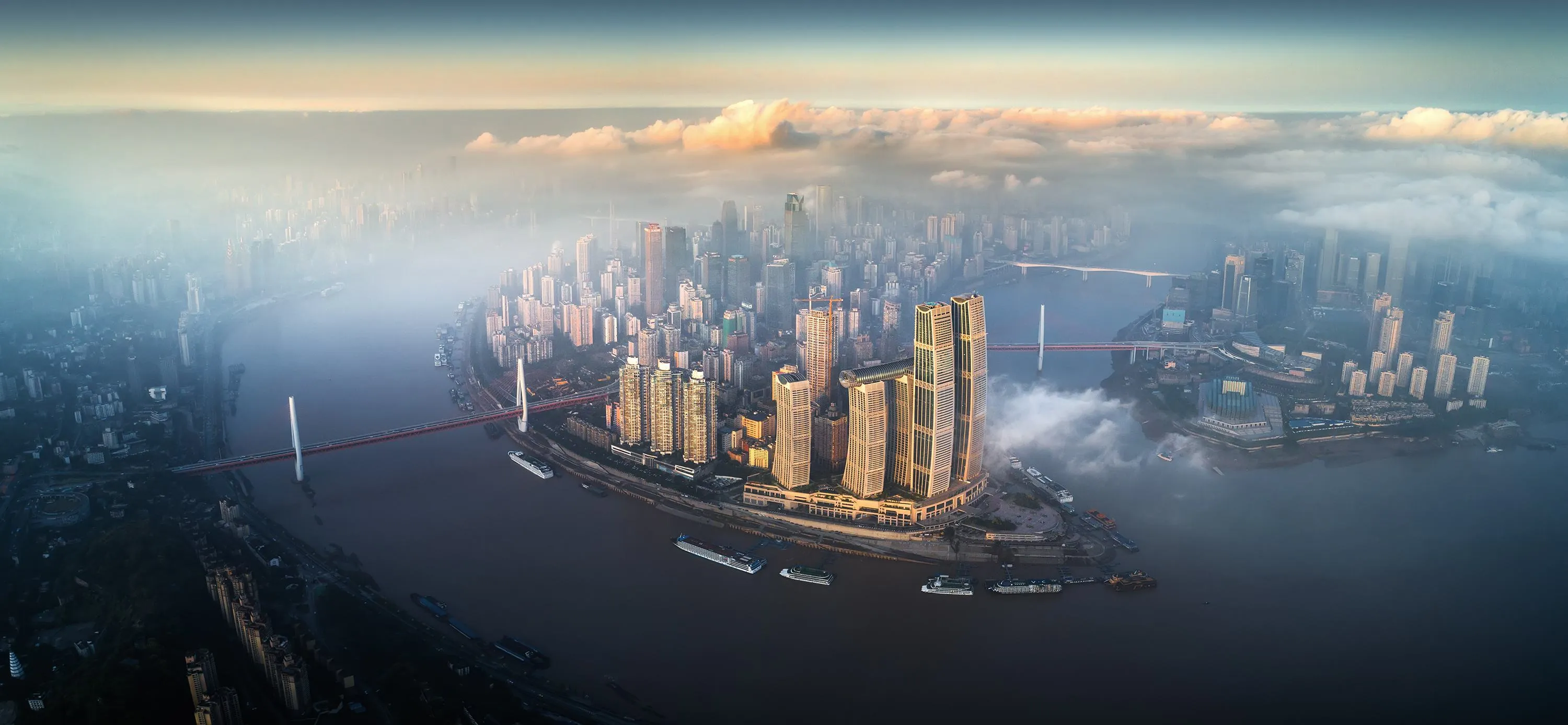
All of these are correct — but they're not the whole story.
Today's Chongqing is undergoing a silent metamorphosis. Its industrial relics — old printing houses, textile warehouses, and factory workshops — are being infused with creativity, turning into art palaces without walls. Art has descended from its pedestal into the streets, permeating daily life from the professional sphere, transforming the entire mountainous landscape into a vast, three-dimensional, ever-evolving canvas.
This isn't a top-down master plan; it's a grassroots revolution. When you lose yourself on Huangjueping's Graffiti Street, watch the sunset paint the old chimneys red from the terrace of Eling Er Factory, or sip a pour-over coffee in the library of Beicang — you'll feel it. Art is the city's breath and heartbeat.
🎭 II. The Street Art Revolution: How Graffiti Reshaped Chongqing
1. Huangjueping Graffiti Street: A 1.25-Kilometer Open-Air Gallery
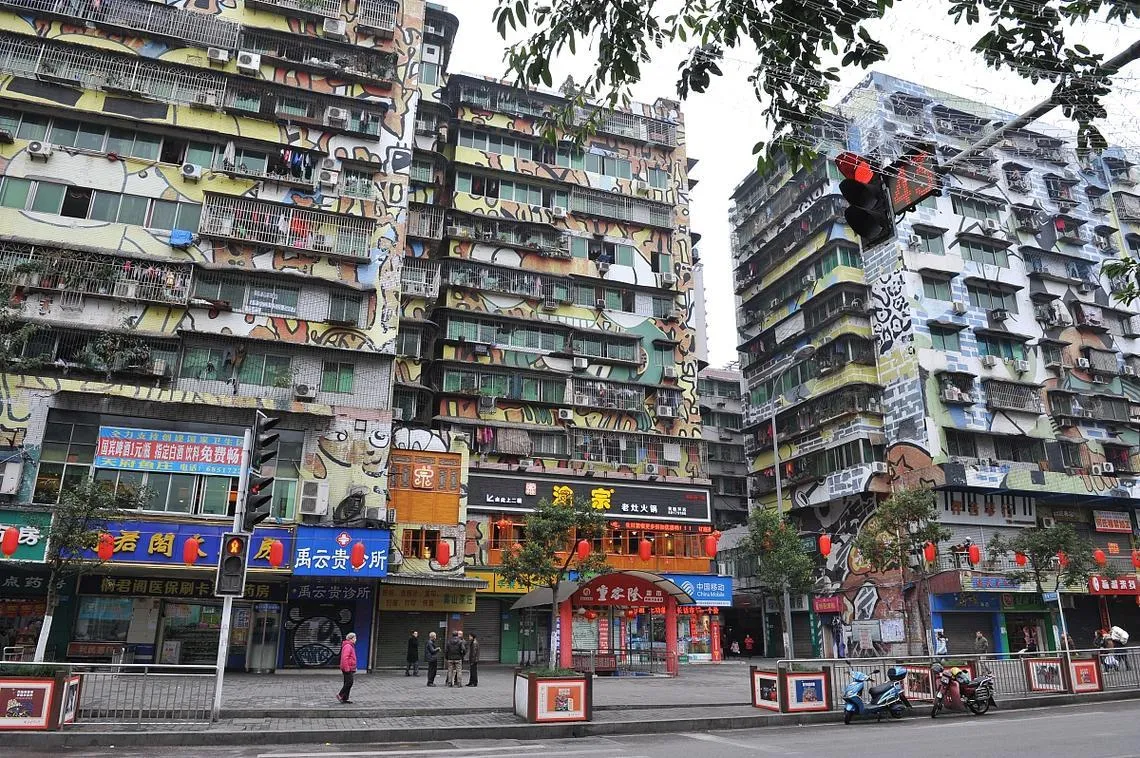
Stretching 1.25 kilometers from Huangjueping Railway Hospital to the 501 Art Warehouse, this street is the largest graffiti art corridor in China. Covering 50,000 square meters of walls, buildings, and even utility poles, it's a riot of vibrant color. What was once a worn-out old street has been completely revitalized by graffiti — oversized letters, cartoon characters, and abstract patterns make walking through it feel like stepping into a 3D fantasy painting.
2. A Fairytale World: Shapingba Shijingpo's Colorful Houses
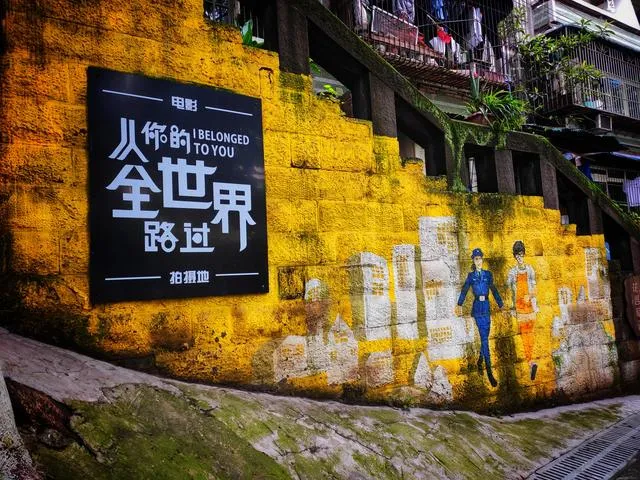
In Shapingba's Shijingpo, old residential buildings have been painted in pastel pink, yellow, green, and blue, reminiscent of macarons. There are no grand artistic declarations here, just a cozy, fairytale-like atmosphere. Hand-painted zodiac signs, hopscotch grids, and spinning pinwheels in the breeze make art approachable and adorable — a hidden "storybook land" nestled in the urban fabric.
3. City Stories on Bridge Pillars: The Artistic Makeover of Yangjiaping Station
Even the bridge pillars supporting the light rail have become canvases. The 23 pillars at Yangjiaping Station underwent a nine-step "makeover," transforming into an art gallery within the bustling commercial district. Local icons like Chongqing noodles, the Yangtze River Cableway, and Liberation Monument come alive on the concrete, while figures playing music and dancing narrate the optimistic, free-spirited attitude of Chongqing locals.
4. Art Democratized: Graffiti as Everyday Life
In Chongqing, "opening your door to see the mountain" is evolving into "opening your door to see graffiti." Murals climb the exteriors of apartment buildings, decorate community park corners, and even turn utility meters into pastel-hued artworks. Art is no longer a lofty object to admire from afar but a visual language woven into the fabric of daily life — you don't need a ticket; you just turn a corner.
🏭 III. Cultural Parks: Old Factories, New Souls
Highlights
While graffiti spreads across the streets, old factories are also quietly being reborn. Chongqing's cultural and creative parks are where industrial heritage meets contemporary creativity in its most romantic form.
Eling Er Factory: From Printing House to International Cultural Park
Originally the Chongqing No. 2 Printing Factory, its mottled walls have been preserved while the interior was injected with fresh artistic design. It's now a top social media and tourist hotspot, attracting 1.5 million visitors annually, with an average daily footfall of 8,000. Exclusive brands making their Chongqing debut and over a hundred unique cultural events create the trendiest artistic ecosystem right beneath the historic chimneys.
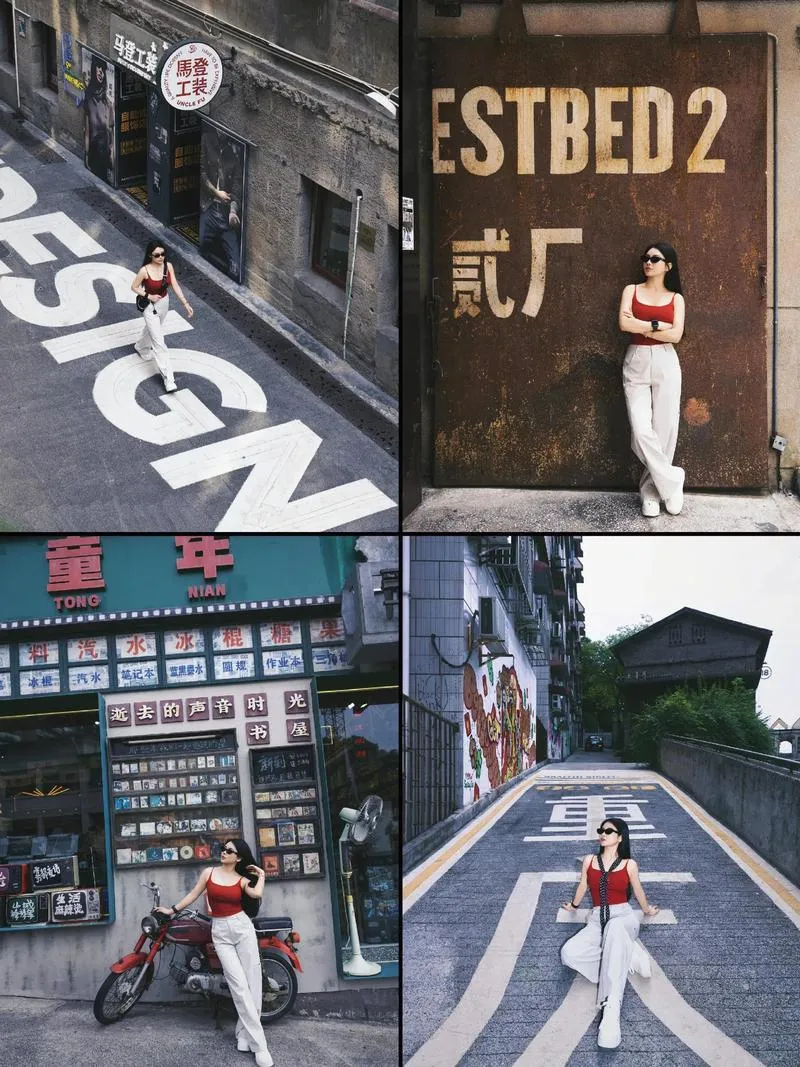
Beicang Cultural Creative District: A Literary Life in a Textile Warehouse
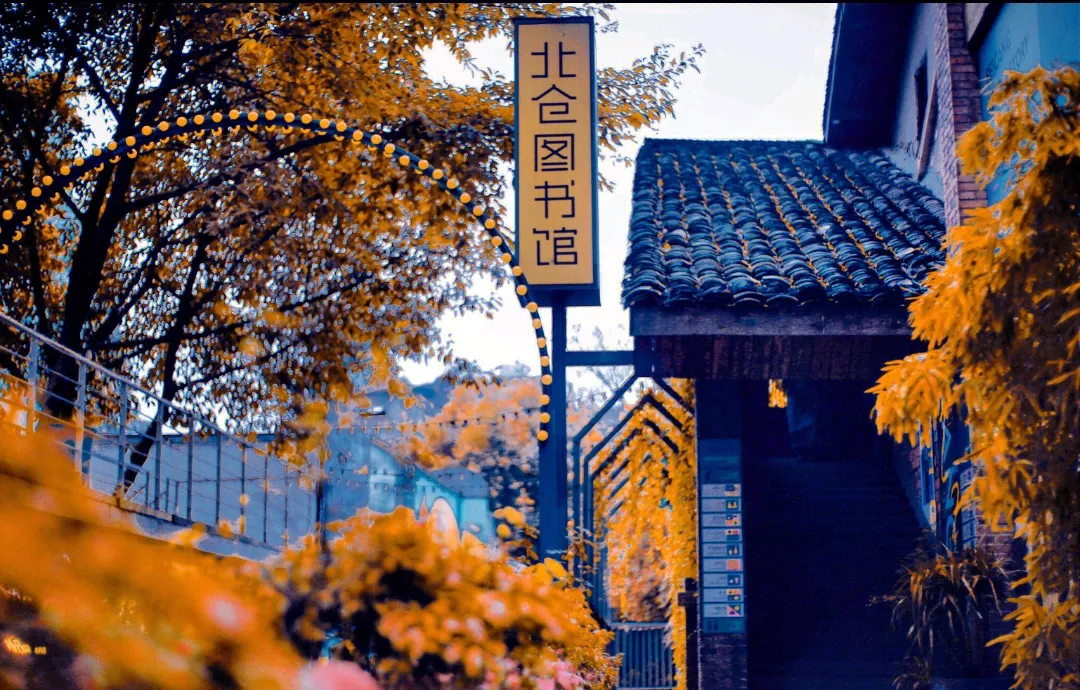
Built on the site of a former 1950s-60s Chongqing textile warehouse, its industrial architectural style has been meticulously preserved. Within 4,600 square meters, a public urban library, creative studios, and stylish eateries coexist harmoniously, earning it the nickname "the literary spot you can't go wrong with." Halloween-themed markets and rapper performances keep this old warehouse forever young.
Jinshan Yiku: An Industrial Park's Design Transformation
Transformed from export processing zone factories, its minimalist grey and white palette subverts expectations of a fiery, bustling Chongqing. Over 80 spaces dedicated to art, design, and lifestyle aesthetics cluster here, with venues consistently trending on social media.
Guosheng Digital Creative Park: Chongqing's Silicon Valley for the Arts
As one of Chongqing's first digital cultural industry parks, it focuses on new formats like digital creative technologies, gaming & esports, 5G short videos, and live streaming. It's more than a creative hub; it's an industrial ecosystem offering full lifecycle services to digital creative enterprises, fostering a deep fusion of art and technology.
🌟 IV. The Annual Art Extravaganza: "Open June"
Highlights
Every June, Chongqing hosts a city-wide celebration: the "Open June" Chongqing Urban Art Festival.
What began as Sichuan Fine Arts Institute's graduation exhibition "opening its doors" now ignites the entire city. Over 2,100 art students present tens of thousands of works, spanning oil painting, sculpture, and AI art experiments. New initiatives like "Night at the Gallery" allow citizens to immerse themselves in art's allure under the glow of city lights and stars.
Art steps out of its halls and weaves into the city's fabric. Outdoor performances at the Jiangbeizui Plaza "Riverside Art Scene" and artistic flash mobs at Danzishi Square turn the banks of the two rivers into touchable, experiential art venues. At youth creative markets, you can take artistic inspiration home directly — there are no walls here, only a free-flowing fountain of creativity.
🔄 V. Dialogue Between Tradition and Modernity
Highlights
In Chongqing, ancient crafts are undergoing their coolest, most fashionable transformations.
- Shu Embroidery: Wang Hui, a master apprentice of a National Heritage bearer, applies Western Han Dynasty chain-stitch techniques to modern fashion, giving the classic love story of "Phoenix Wooing Phoenix" a contemporary expression.
- Rongchang An Pottery: Young inheritors Luo Sha and Guo Zuyan transform traditional ceramic art into coffee cups and tea sets beloved by today's youth.
- Jiangjin Jade Carving: Master Pan Zhaoliang uses dual-color jade to carve figures — "The material is traditional," he says, "but the expression must be current."
- Intangible Culinary Heritage: According to Meituan data, orders for Chongqing's "intangible cultural heritage" related in-store dining surged over 450% year-on-year, with 40% of users aged 20-30. Traditional flavors are becoming the new favorite among the young.
🗺️ VI. An Art Traveler's Guide
Suggested Route: Huangjueping Graffiti Street → Eling Er Factory → Beicang Cultural Creative District → Sichuan Fine Arts Institute Graduation Exhibition
Recommended Experiences: Try your hand at pottery making · Participate in an art workshop · Browse youth creative markets
Top Photography Spots:
- Yangjiaping bridge pillar graffiti
- Shijingpo colorful houses
- Jinshan Yiku's minimalist architecture
- Eling Er Factory rooftop night view
🌈 VII. Conclusion: Chongqing's Invitation to Art
In this city, art isn't a piece hanging on a wall for admiration. It's the texture of your daily climb up the hills, the surprise waiting around the corner, a lifestyle you can touch and engage with.
Your Chongqing art map awaits. Come and draw it.
No comments yet