🗡️ Jianghu Cuisine: The Rugged Feast of Chongqing
Who it's for: Adventurous eaters and food lovers curious about Chongqing's boldest culinary tradition — street-born, unrefined, and unapologetically flavorful.
Core Coverage: Jianghu Cuisine Philosophy → Tu, Cu, Za → Nine Flavor Systems → Laziji (Chili Chicken) → Maoxuewang (Duck Blood Stew) → Suancaiyu (Sauerkraut Fish) → Paojiao Niunao → The Dining Ritual
This guide takes you into the heart of Chongqing Jianghu cuisine — a rugged, passionate, no-rules feast born from the city's streets, docks, and mountains. Learn the philosophy, master the flavor systems, and discover the must-try dishes that define this fiery tradition.
🏮 I. The Chongqing Dining Table of the "Jianghu"
Picture this: a late night on the streets of Chongqing, neon lights blurred in the mist. A few folding tables, some plastic stools, stainless steel basins piled high with chili peppers, the air thick with the numbing aroma of Sichuan peppercorns and the richness of beef tallow. Diners, bare-armed, sweat dripping from their brows, chopsticks flying through the red oil — this isn't the refined dinner of a Michelin-starred restaurant. This is the dining table of Chongqing's jianghu.
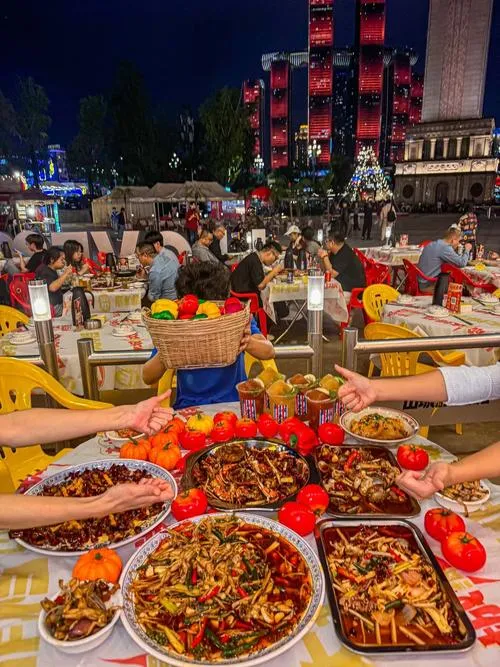
Jianghu cuisine was never meant to be an artwork for mere appreciation. It is a storm of flavor that hits the soul, a survival philosophy written by the people of Chongqing with chili peppers, Sichuan peppercorns, beef tallow, and sweat. While French cuisine pursues the precision of molecular gastronomy and Japanese cuisine polishes the texture of sashimi, Chongqing folks tell you with their massive plates and bowls: the essence of food is utter indulgence.
📜 II. Defining the Jianghu: The Three-Word Mantra of "Tu, Cu, Za"
Highlights
To understand Jianghu cuisine, first remember three words: Tu (Earthy), Cu (Bold/Coarse), and Za (Hybrid).
Tu (Earthy) — Folk wisdom of fishermen and farmers. Laziji (Chili Chicken) was born in a roadside eatery on Gele Mountain; Suancaiyu (Sauerkraut Fish) originated from the docks of Jiangjin. These dishes have no prestigious lineage, yet spread through word-of-mouth simply because they taste good, eventually taking the whole city by storm.
Cu (Bold/Coarse) — Hearty, generous portions. A Jianghu chef never holds back — handfuls of chili peppers, ladles of Sichuan peppercorns, chicken hiding among crispy burnt chilies, fish swimming in red oil broth. The serving vessels are simple and robust: stainless steel basins, clay pots, whatever is most practical.
Za (Hybrid) — The art of culinary "crossbreeding." Northern ingredients cooked Southern style, Southern flavors in Northern dishes, Chinese dishes with Western techniques, classic recipes given new twists. It may seem like they play by no rules, but it's all about serendipitous mastery.
On the term "jianghu": In Chinese culture, "jianghu" is the world outside the official establishment. It is the folk, the marketplace, the spirit of freedom and untamedness. Jianghu cuisine is food born for the people of this world.
🌶️ III. The Flavor Storm: The Nine-System Spicy Matrix
Highlights
The secret code of Jianghu cuisine lies in its nine flavor systems. This isn't just about simple numbing heat, but a meticulously designed matrix of tastes.
The Ma-La Duo — Sichuan peppercorns deliver that 50Hz tremble-like numbness; chilies provide the scorching heat. Combined, it's not just 1+1=2, but a chemical explosion of flavor.
The Nine Flavor Systems
- Dry Chili Series — Stir-fried with dried chilies. Signature dish: Laziji (Chili Chicken).
- Ma-La (Spicy & Numbing) Series — Red oil base. The soul of this series is Maoxuewang (Duck Blood Curd Stew).
- Sauerkraut Series — The tangy, refreshing aroma of Jiangjin's Suancaiyu.
- Pickled Chili Series — The sour-spicy appetizing taste of Paojiao Niunao (Pickled Chili Bullfrog).
- Xiang-La (Fragrant & Spicy) Series — More about the aroma than the pure heat of the chili.
- Suan-La (Sour & Spicy) Series — The art of balancing sourness with spice.
- Pickled Vegetable Series — The complex sourness from aged pickles.
- Home-Style Series — The savory taste from fermented broad bean paste.
- Other Series — Innovative dishes that defy categorization.
The seasoning philosophy is straightforward: Better to overdo than to lack; heavy on oil and generous with spices. But don't be mistaken — this isn't mindless ingredient dumping. A true Jianghu chef seeks the balance of the five flavors, letting the ma, la, xian (fresh/umami), and xiang unfold in layers on the palate.
🍗 IV. The Must-Try List: From Chili Chicken to Duck Blood Stew
Highlights
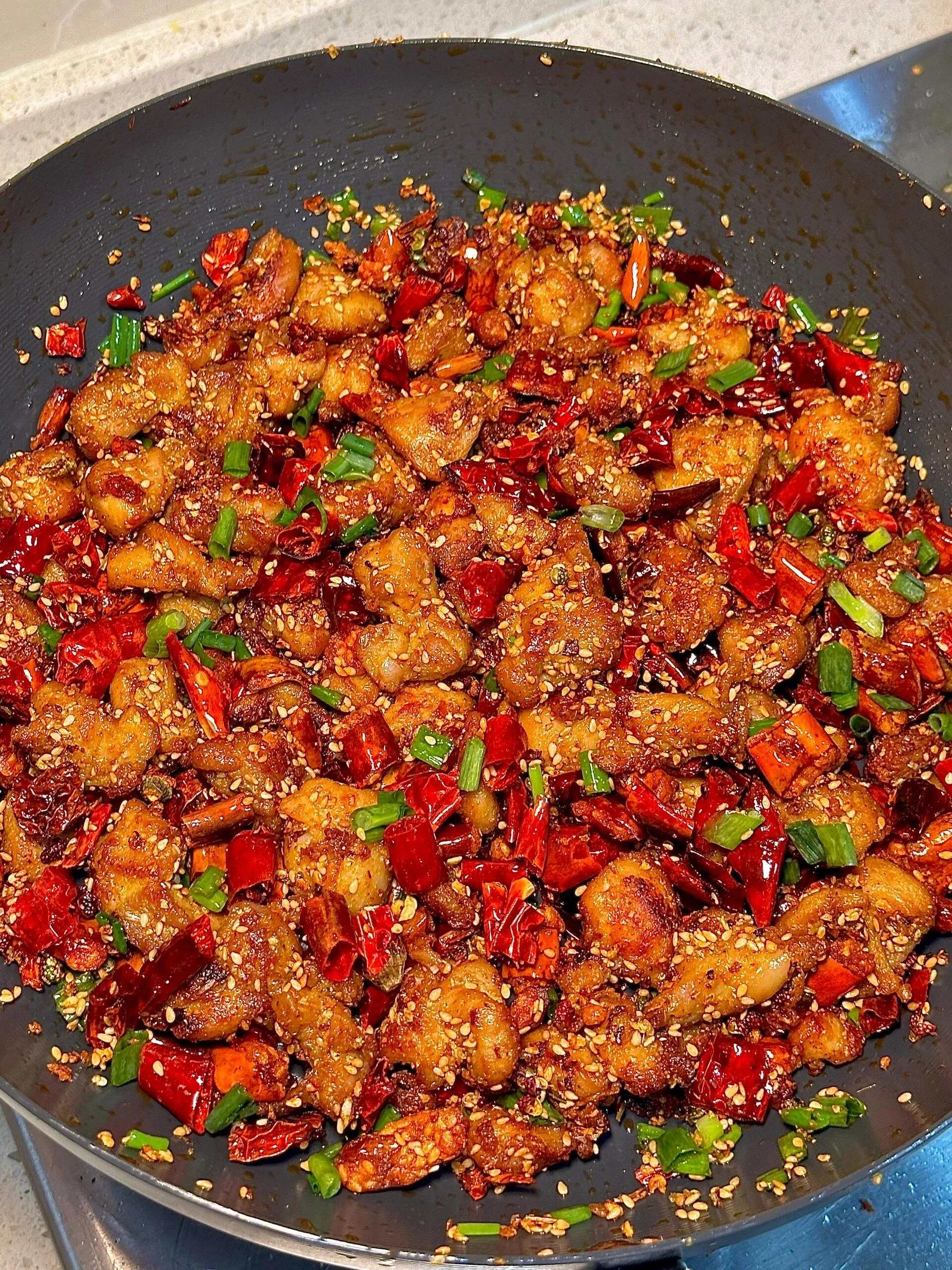
Laziji (Chili Chicken / 辣子鸡, 1990)
A treasure hunt in a sea of peppers. Invented by a roadside shop on Gele Mountain — digging for thumb-sized, crispy-fried chicken pieces in a vast, red ocean of dried chilies.
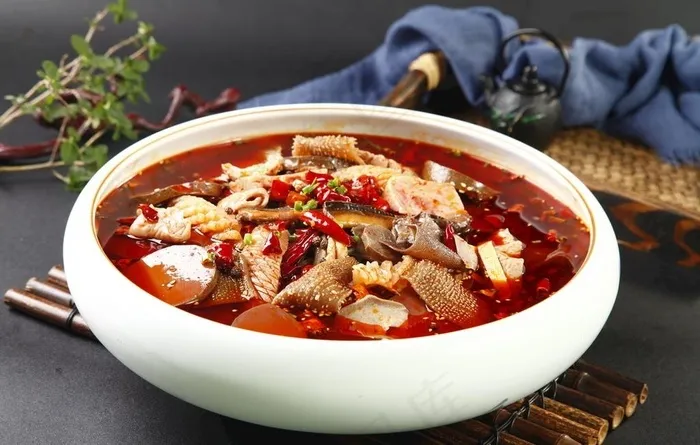
Maoxuewang (Duck Blood Curd Stew / 毛血旺)
Energy fuel for dock workers. In the ancient town of Ciqikou, poor laborers would boil tripe, duck blood curd, and eel in a single pot, using heavy ma-la to combat physical exhaustion.
Jiangjin Suancaiyu (Sauerkraut Fish / 江津酸菜鱼, 1988)
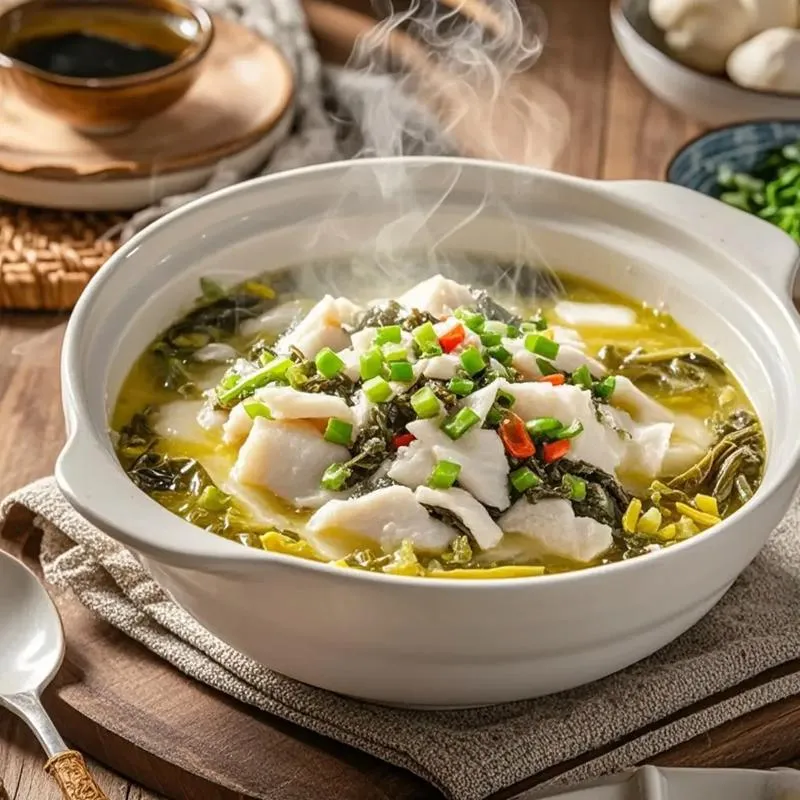
A culinary miracle spread by truck drivers. Prepared for them at roadside stalls in Jiangjin, its sour and appetizing flavor spread from one driver to the next.
Paojiao Niunao (Pickled Chili Bullfrog / 泡椒牛蛙, 1996)
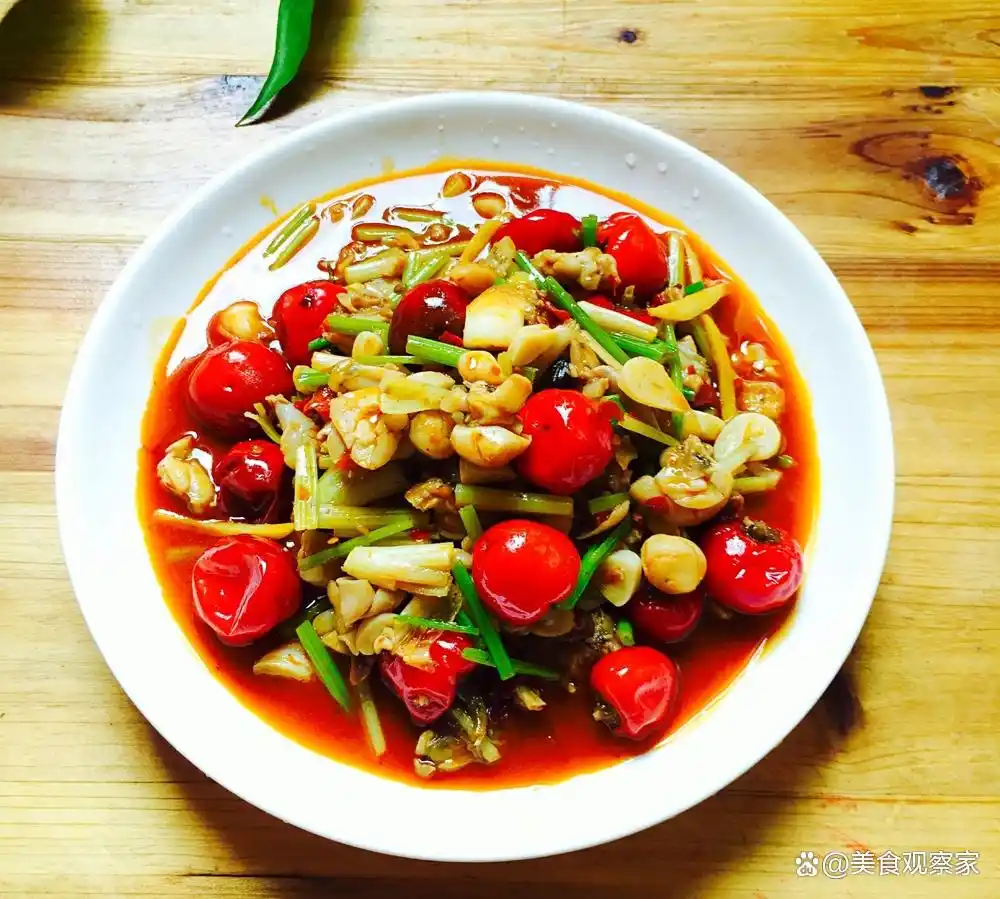
The archetype of sour-spicy appetite stimulation. The sour fragrance of pickled chilies perfectly neutralizes the fishy taste of bullfrog.
Tai'an Fish (太安鱼, 1994)
The perfect fusion of fresh fish flavor and seasonings. Requires skill, hard to imitate.
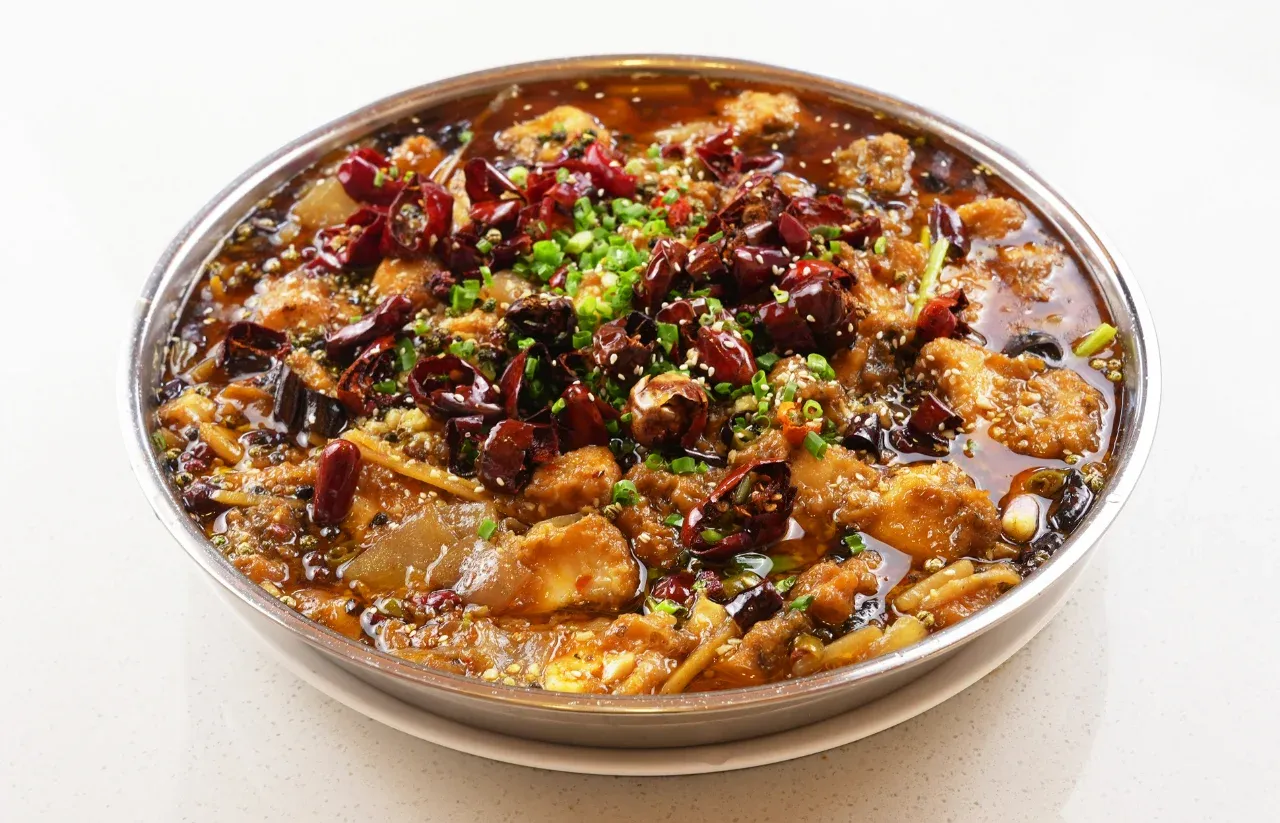
Huoguo Yu / Shuizhu Yu (Hot Pot Fish / Water-Boiled Fish, 1996)
The evolution from cauldron to pot. Originally, a 10-jin fish cooked in a massive iron wok, later evolving into smaller pot versions.
Ordering Guide
- For dry aromatics → Dry Chili series
- For red oil base → Ma-La series
- For something refreshing → Sauerkraut series
- To whet your appetite → Pickled Chili series
🔪 V. The Culinary Art: The Fine Craft Behind the Ruggedness
Highlights
Compound oil is the soul of Jianghu cuisine — a mala wuxiang you (spicy-numbing five-spice oil) imparts its unique flavor. Heat control is key: braising must be rich and mellow, water-boiled dishes must be tender and fresh, stir-fries must have "wok hei" (the breath of the wok). Ingredients must be fresh: free-range chicken, freshly killed fish, seasonal vegetables.
🍲 VI. The Aesthetics of Plating: The Visual Impact of Big Plates and Bowls
Highlights
Stainless steel basins and clay pots are the standard. The color clash of fiery red chilies, emerald green cilantro, and snow-white fish fillets. Large, generous portions satisfy a consumer's psychology — winning half the battle visually.
🔥 VII. The Dining Experience: A Thrilling Taste Adventure
Highlights
- Feel the sensations: The ma-la stimulation, the sour refreshment.
- Taste the flavors: The layered complexity of compound seasonings.
- Soak in the atmosphere: The carefree ease of a street-side stall.
- The addictive cycle: Fed up after a meal → Miss it day and night → Plan your return visit.
🌈 VIII. Conclusion: A Culinary Invitation to Chongqing's Jianghu
Begin your journey into the jianghu with Laziji. Search for chicken in a mountain of chilies. Feel the visual impact of the huge plate. Experience the spirit of Chongqing — earthy and passionate, bold and unrestrained, hybrid and inclusive. This isn't just food — it's a way of life.
No comments yet