🏙️ 3 Days & 2 Nights Deep Dive: Urban Buzz & World Heritage Panorama
Best for: Travelers with ample time who seek both urban glamour and the extraordinary natural/cultural wonders nearby.
Three days are sufficient to fully unfold the three-dimensional charm of the Mountain City. From the ancient stone paths of millennium-old towns to the cloud-piercing observation decks of skyscrapers; from the vibrant colors of street art alleys to the breathtaking grandeur of karst sinkholes. This journey is a perfect dialogue between urban energy and world-class heritage. Let's embark on an adventure to measure every inch of this magical city's splendor.
🌅 Day 1: City Landmarks & Magical Nightscape — Navigating Between History and Future
Morning: Ciqikou Ancient Town (Arrive before 9:00 AM) — A Morning Prelude at a Thousand-Year-Old Wharf
Start your day early at Ciqikou Ancient Town. Arriving before 9 AM allows you to experience the town before the crowds. Morning mist veils the bluestone paths as shop shutters creak open one by one, the air filled with the crispy aroma of freshly fried Chen Mahua (twisted dough). This is the largest ancient town within Chongqing's urban area, renowned for its distinctive features of traditional Bayu residences, folklore, and customs, set within the unique "One River, Two Streams, Three Hills" topography — "One River" being the Jialing River; "Two Streams" are Fenghuangxi and Qingshuixi; and "Three Hills" are Jinbi Hill, Ma'an Hill, and Fenghuang Hill from north to south.
While wandering the lanes, here are three quintessential things to do:
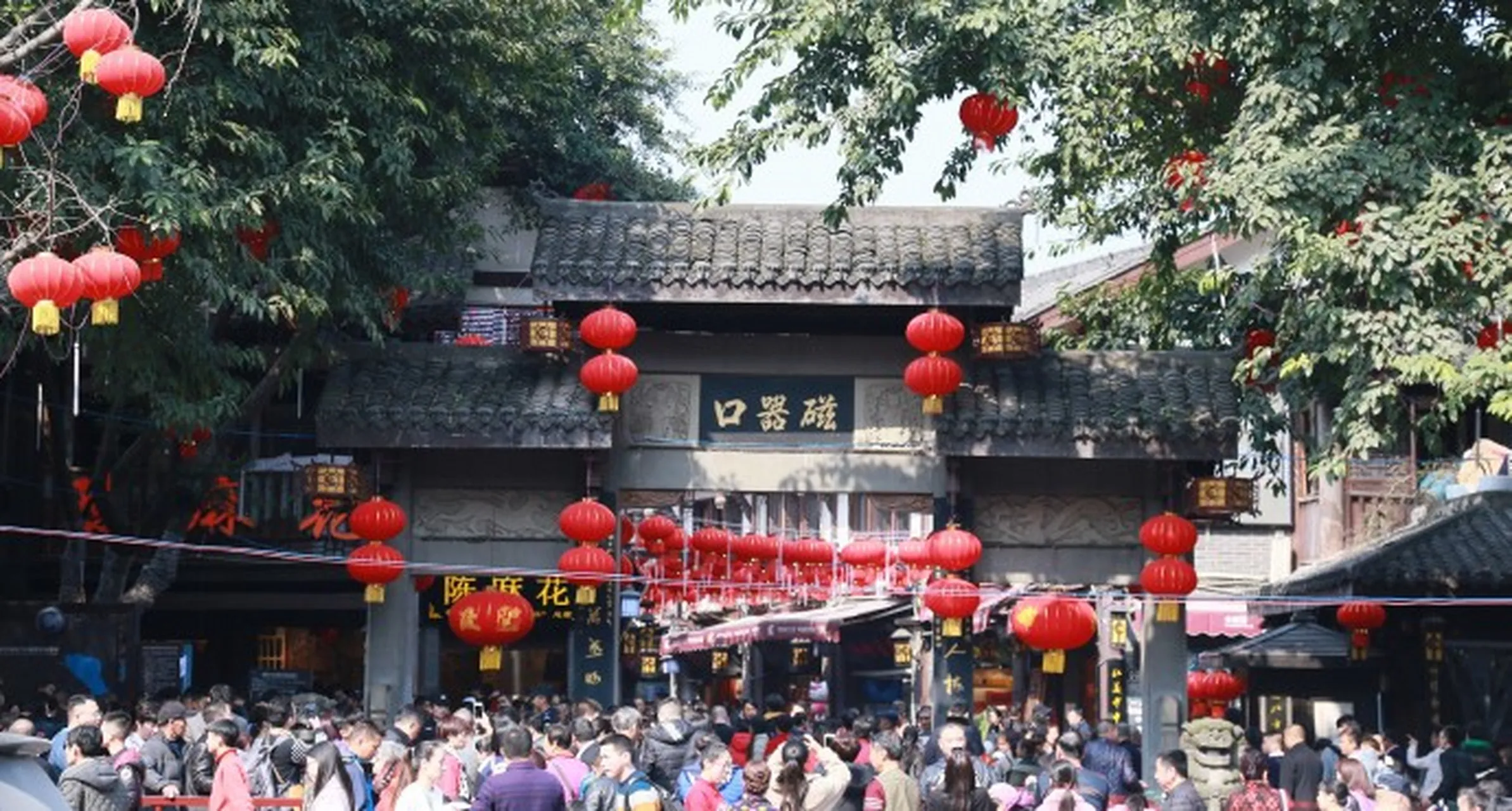
First, taste freshly fried Chen Mahua. Multiple shops line the streets. To find the most authentic one, simply look for the longest queue. The golden, crispy mahua melts in your mouth, a burst of sweet flavor that captures the simple happiness in local memories.
Second, steal some leisure time in an old teahouse. Find one by the street, order a bowl of tea in a lidded cup, and listen to the local elders chatting in dialect over the next table. This was the very scene for boatmen and powerful figures in the past, making it feel like time has stood still here.
Third, explore the cultural imprints in the town's depths. Venture beyond the main street into the side alleys. Baolun Temple, the soul of the town, is one of Chongqing's oldest temples, nestled against the hills and facing the Jialing River. It's serene and bustling with incense smoke. Zhong Family Courtyard and Hanlin Academy are well-preserved Bayu ancient residences with black-tiled roofs and deep courtyards, offering an immersive experience into the town's millennia-old heritage.
📜 Morning Continuation: Baigongguan & Zhazidong — Saluting the Red Rock Spirit
A short drive from Ciqikou leads to Baigongguan and Zhazidong, crucial Red Education bases that once served as prisons for revolutionary figures. Exhibits here showcase precious artifacts and stories of the "prison struggles." You can listen to moving tales of martyrs like "Little Radish Head," pay your respects with flowers, and feel the unwavering light of ideals from those tumultuous years. Both sites are free but require real-name reservations via the "Hongyan Connection" WeChat official account.
🌆 Afternoon: Jiefangbei CBD & Raffles City — The Modern Facets of the Mountain City
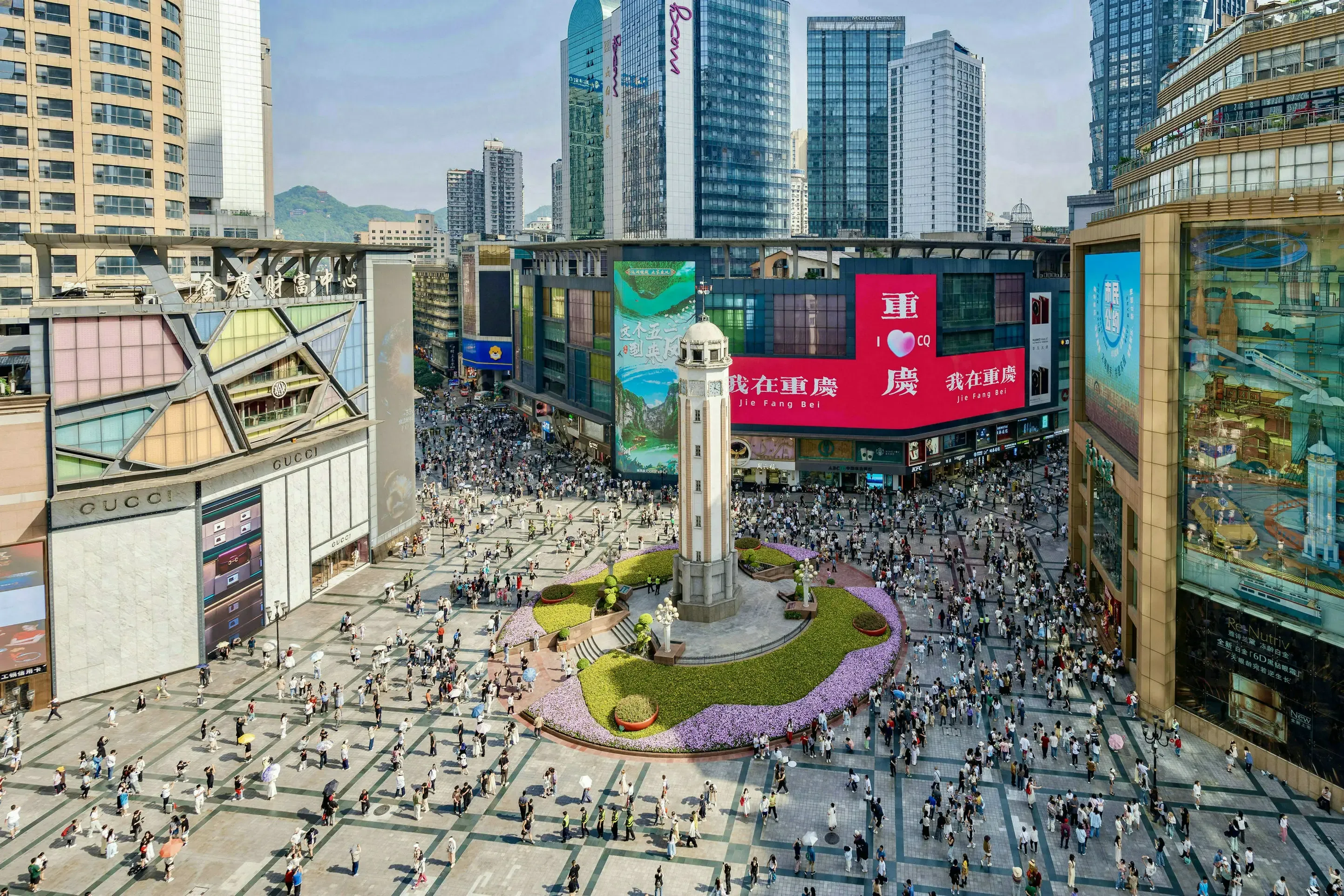
After lunch, head to Chongqing's city origin — Jiefangbei (Liberation Monument). This 27.5-meter-tall octagonal column, once named "Spiritual Fortress" and "Monument to Victory in the War of Resistance," now stands as Chongqing's spiritual landmark. Gazing up at it, you witness history intertwined with urban prosperity. The surrounding skyscrapers act as contemporary footnotes, narrating the city's vibrant pulse.
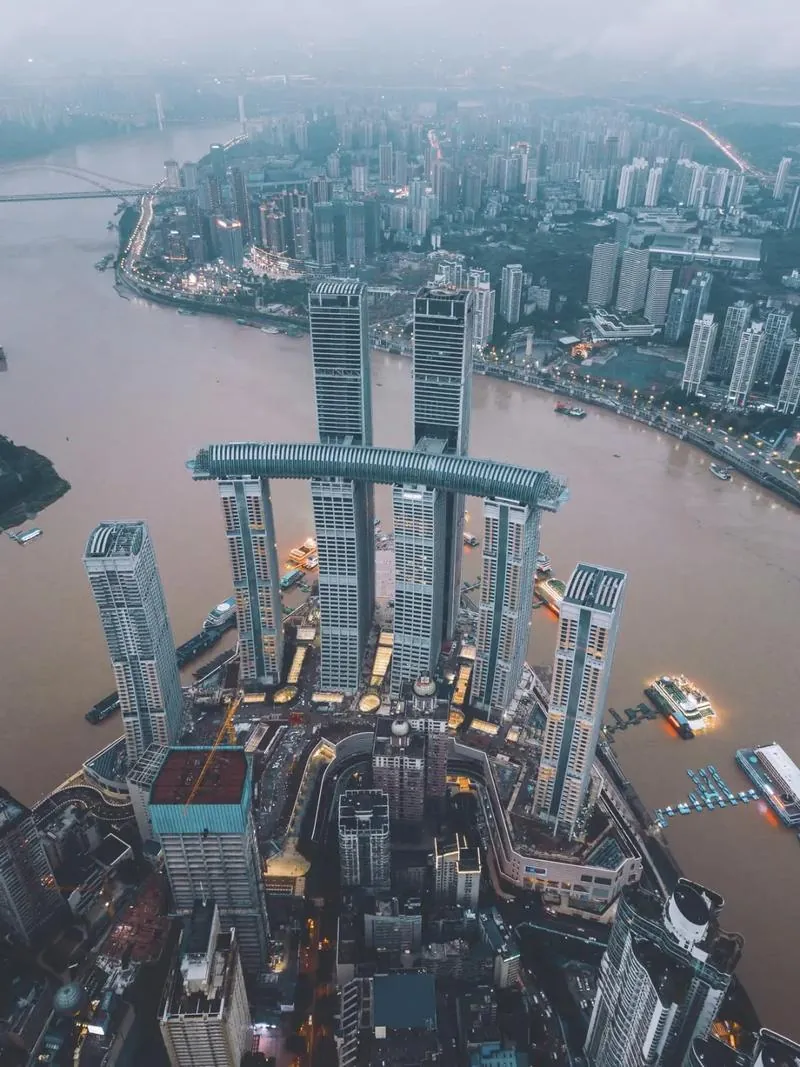
Then, walk to Raffles City, an architectural marvel designed by master architect Moshe Safdie. Resembling a giant sail setting off at the confluence of the Yangtze and Jialing rivers, it's known as "Chaotian Yang Fan." From its observation deck, you can enjoy panoramic views of the two rivers, witnessing their distinct waters merge, creating a "clear meets muddy" spectacle—a magnificent poem the city writes upon the sky.
🌙 Evening: Hongya Cave & Bayi Food Street — A Feast for the Senses Amidst Dazzling Nightlights
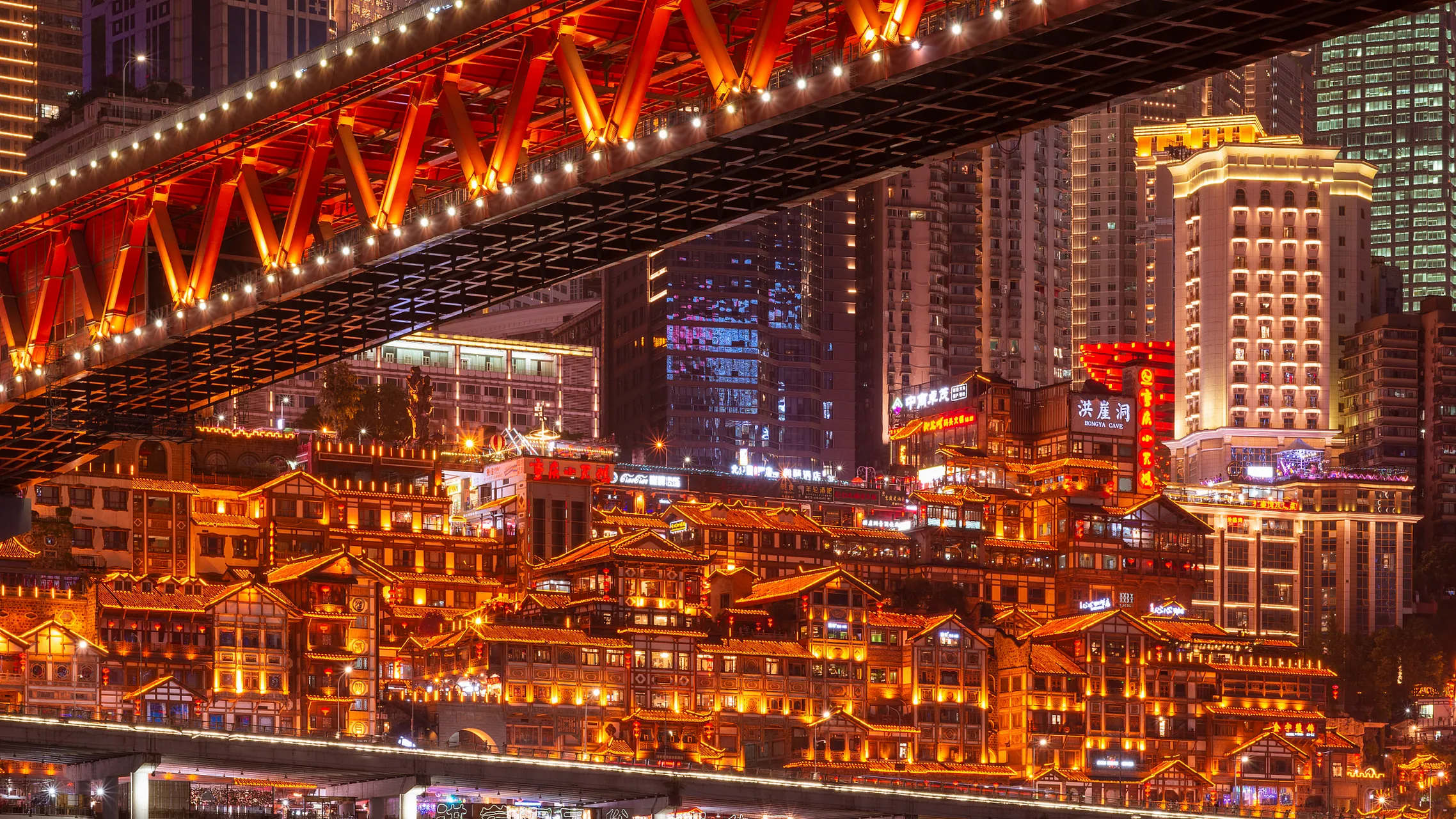
As dusk falls, the magical mountain city reveals its most enchanting side. Visit Hongya Cave, a stilted architectural complex built against the cliffside. After sunset, its golden lights outline the tiered wooden houses, creating a real-life replica of Yubaba's bathhouse from Spirited Away, mirrored in the Jialing River's ripples and illuminated by the neon glow of Qiansimen Bridge—a breathtaking dreamscape. The best viewing time is between 19:30 and 21:30, when Hongya Cave appears as a glowing golden palace floating on the water.
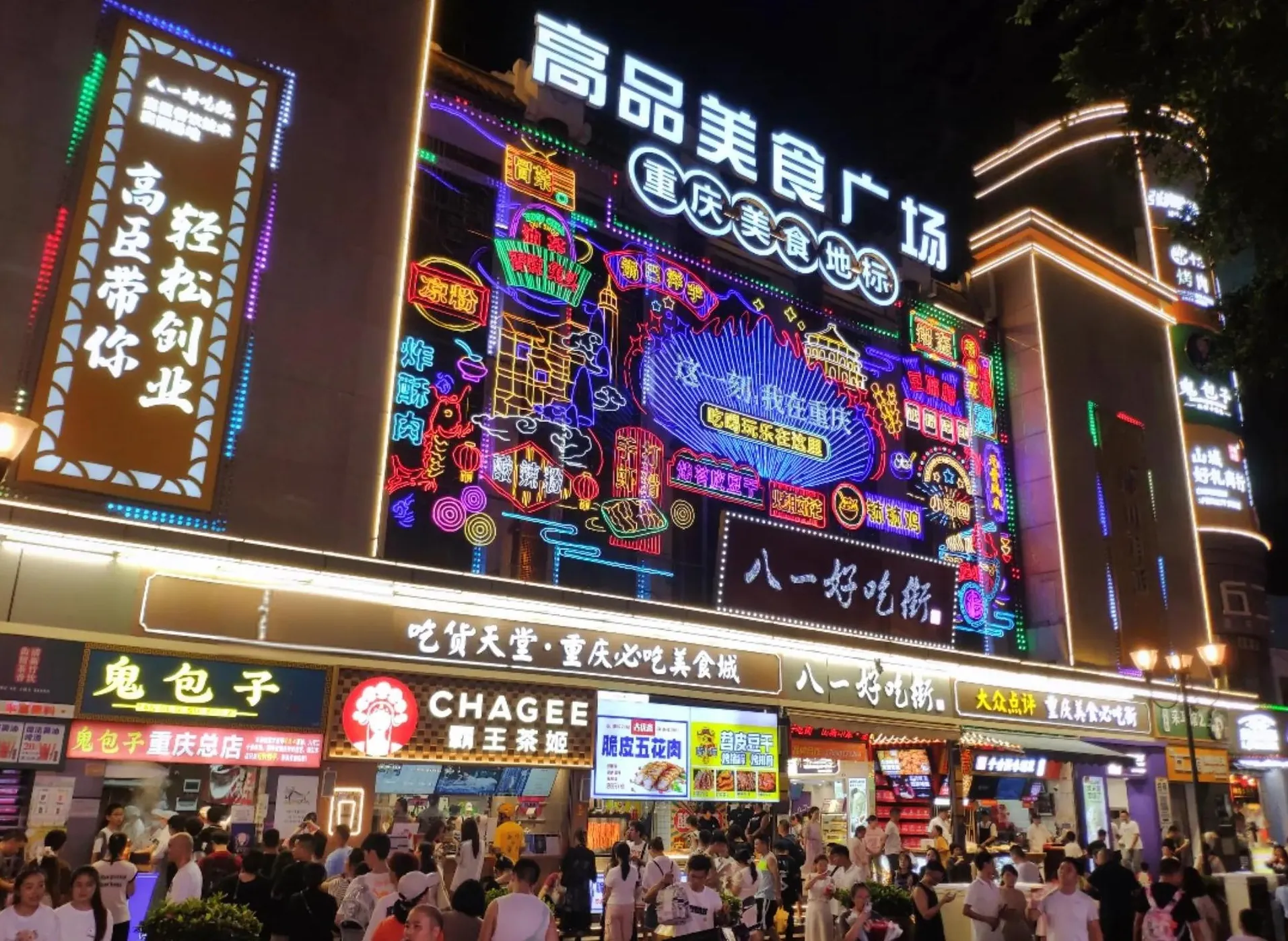
After soaking in the view, head to Bayi Food Street, the vibrant heart of Chongqing's culinary scene. Savor a steaming bowl of Suan La Fen (sour and spicy noodles), where tangy, spicy, and savory notes explode on your palate. Try freshly grilled street skewers with a charred aroma, and balance the spice with a bowl of hand-scraped Bing Fen (iced jelly) sweetened with brown sugar syrup, raisins, and hawthorn flakes—a perfect antidote to the heat. For the adventurous, venture into a converted bomb shelter turned hotpot restaurant. Blanch a slice of tripe in the bubbling, spicy beef tallow broth to experience the city's most passionate welcome.
🌆 Day 2: Artistic Strolls & Sky-High Crossings — Lingering Amidst River Breezes and Art
🌞 Morning: Longmenhao Old Street & Nanbin Road — A Century of Time by the Riverside
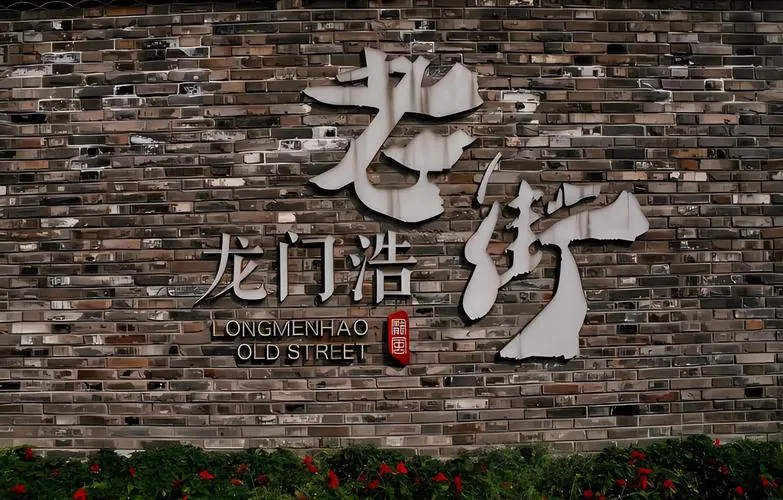
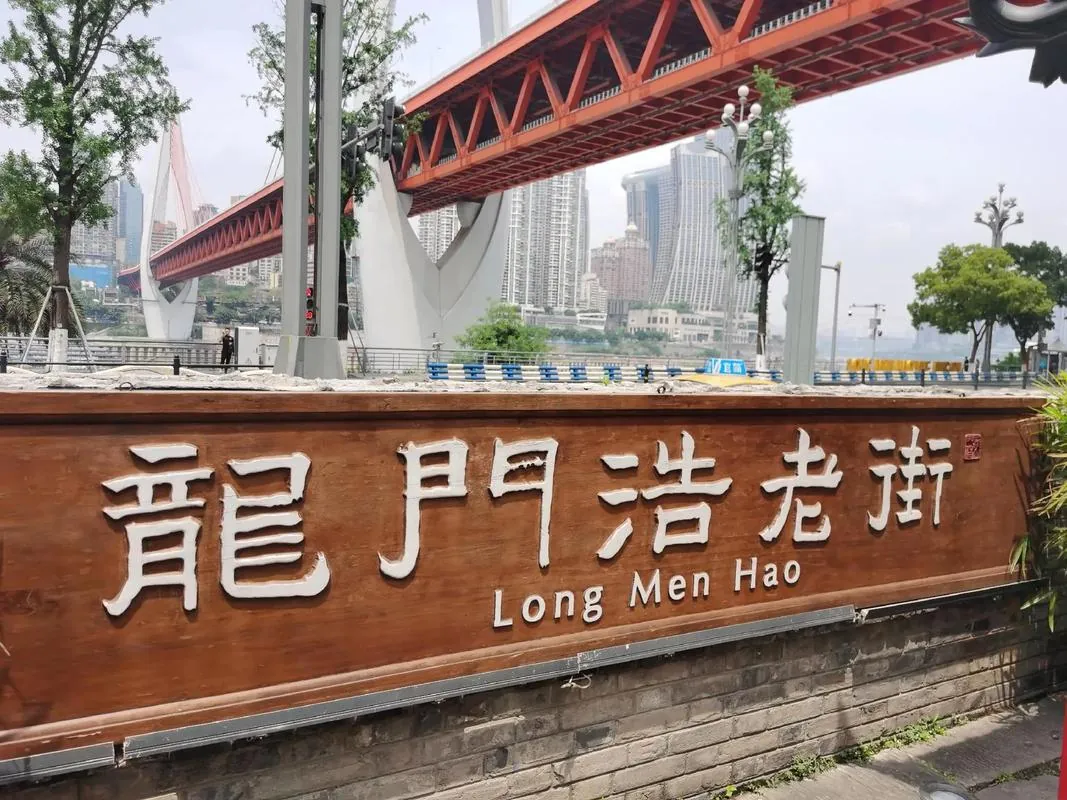
Day two begins with a leisurely pace at Longmenhao Old Street, often called "Chongqing's last old street." Its blue-brick, black-tile buildings cascade up the hillside along winding stone steps, resembling a time tunnel to the city's past. Find a riverside cafe, order a pour-over coffee, and watch sunlight filter through leaves onto weathered walls. Gaze at the majestic Dongshuimen Bridge in the distance, and savor the tranquility after a bit of "climbing slopes and steps."
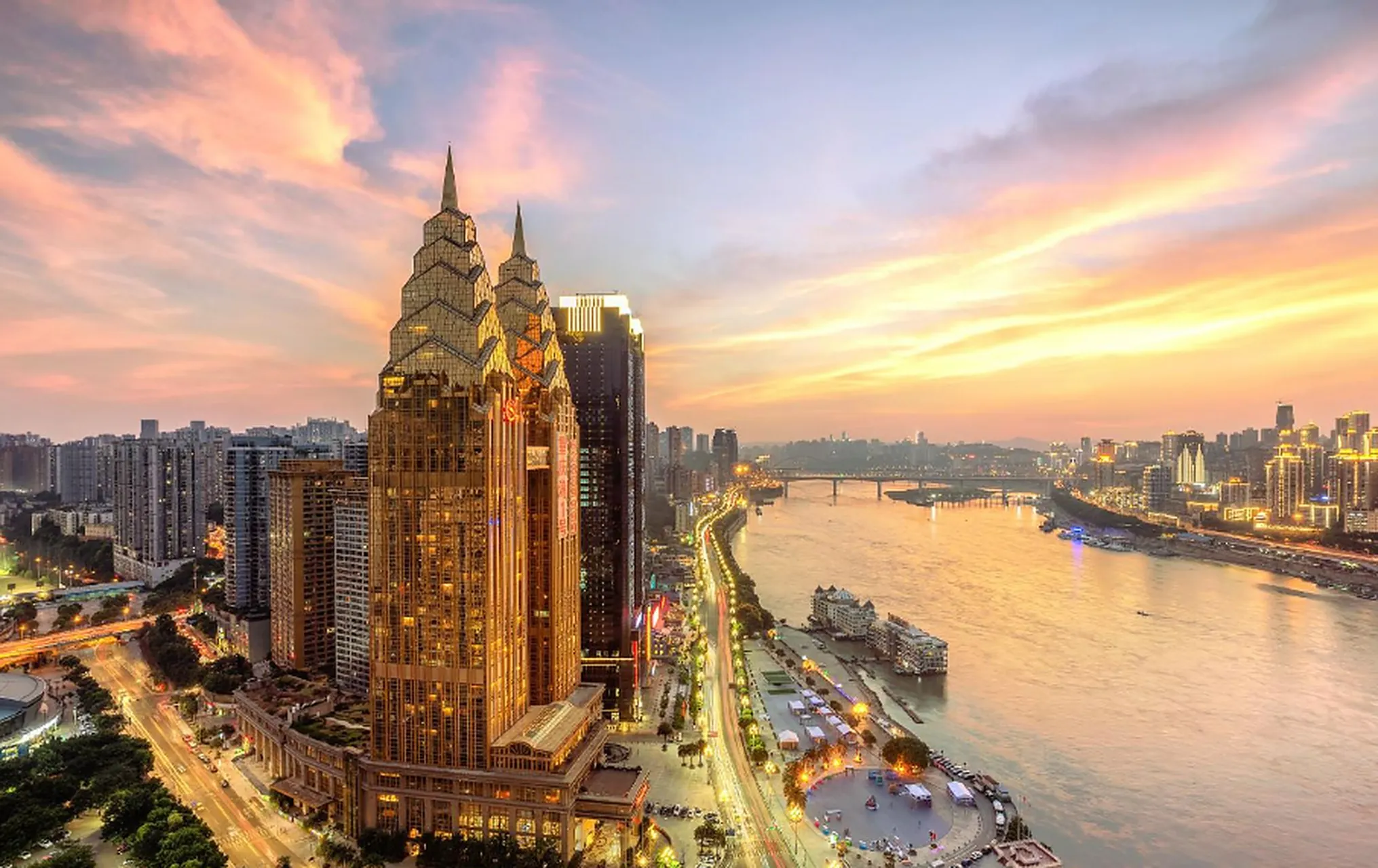
Take a gentle stroll along Nanbin Road, with the river breeze on your face and the layered skyline of the Yuzhong Peninsula ahead. Dubbed "Chongqing's Bund," it's one of the best promenades for appreciating the scenery of "two rivers and four shores." At dusk, you might even catch the stunning sunset sinking into the river.
🎨 Afternoon: Sichuan Fine Arts Institute Huangjueping Campus & Traffic Teahouse — Where Free Art Meets Everyday Warmth
The afternoon offers a delightful collision of art and daily life. First, visit the Sichuan Fine Arts Institute Huangjueping Campus, a pivotal hub for contemporary Chinese art. The Luo Zhongli Art Museum (free, requires booking) is a must-see. Its exterior is a massive public artwork made of colorful mosaic tiles. Inside, it showcases contemporary works by faculty and students—from oil paintings and sculptures to installations and video art, each offering a unique perspective.
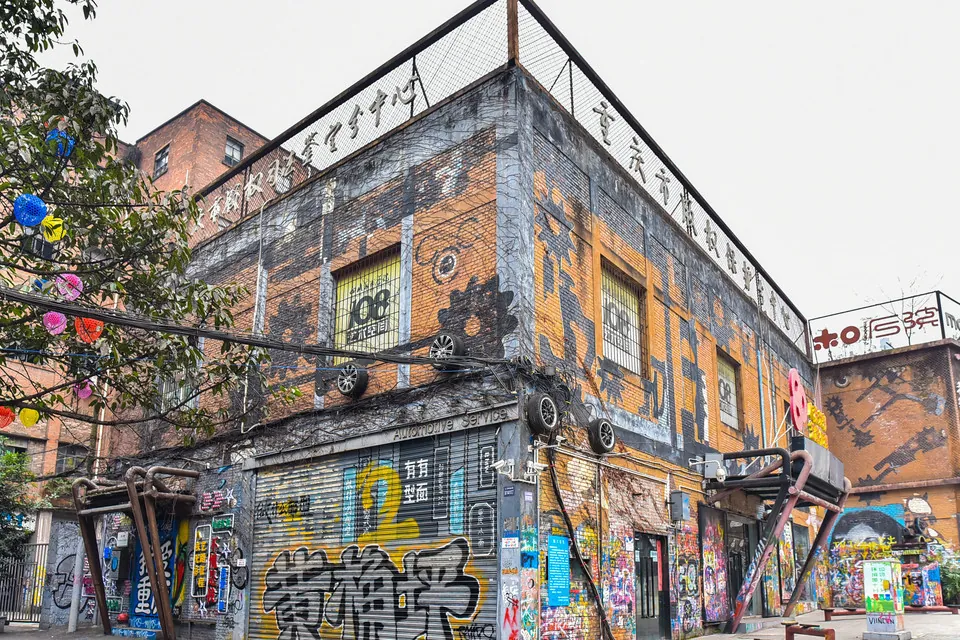
Step outside to the Graffiti Street, where entire building facades are covered in vibrant murals. From anime characters to abstract patterns, Chinese slogans to English poetry, artistic freedom bursts forth. Strike a pose for photos with undeniable street-style flair.
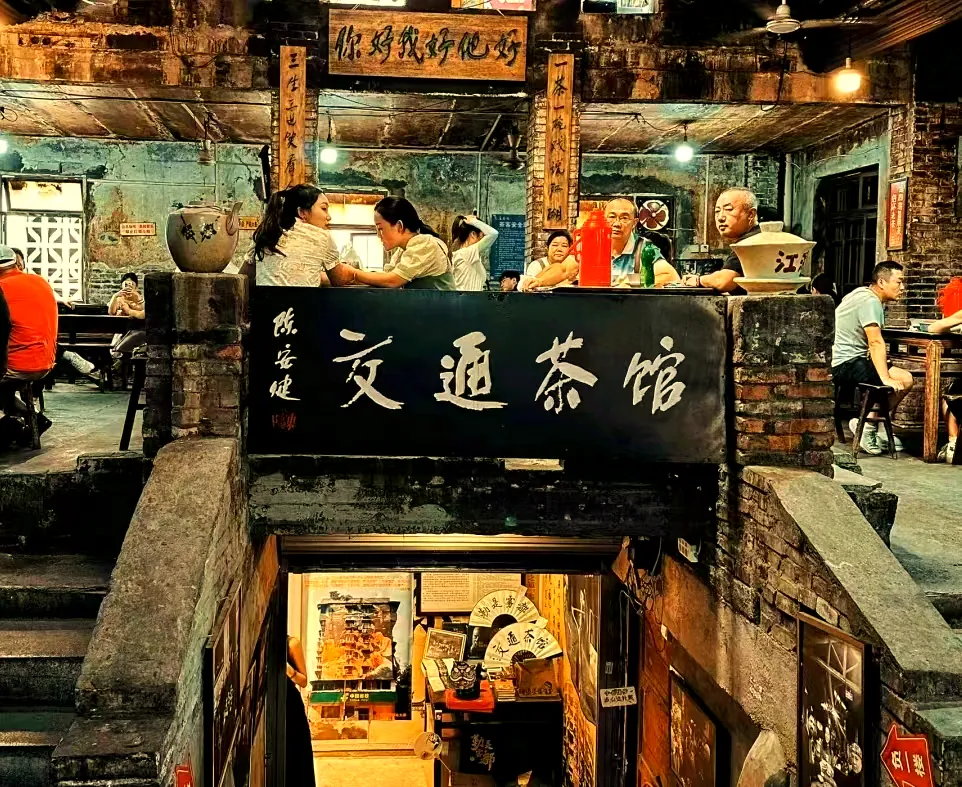
Then, walk to the nearby Traffic Teahouse, one of Chongqing's oldest tea houses, frozen in time from the 1970s-80s. With its worn walls, old wooden tables, and creaky ceiling fans, time seems to stand still. For just 10 RMB, a bowl of tea buys you an entire afternoon. Listen to the elderly locals chatting in dialect, watch sunlight slant through roof cracks—this is the authentic, unadorned fabric of old Chongqing's everyday life.
🌃 Evening: Yangtze River Cableway — Soaring Over Two Rivers Under a Starry Sky
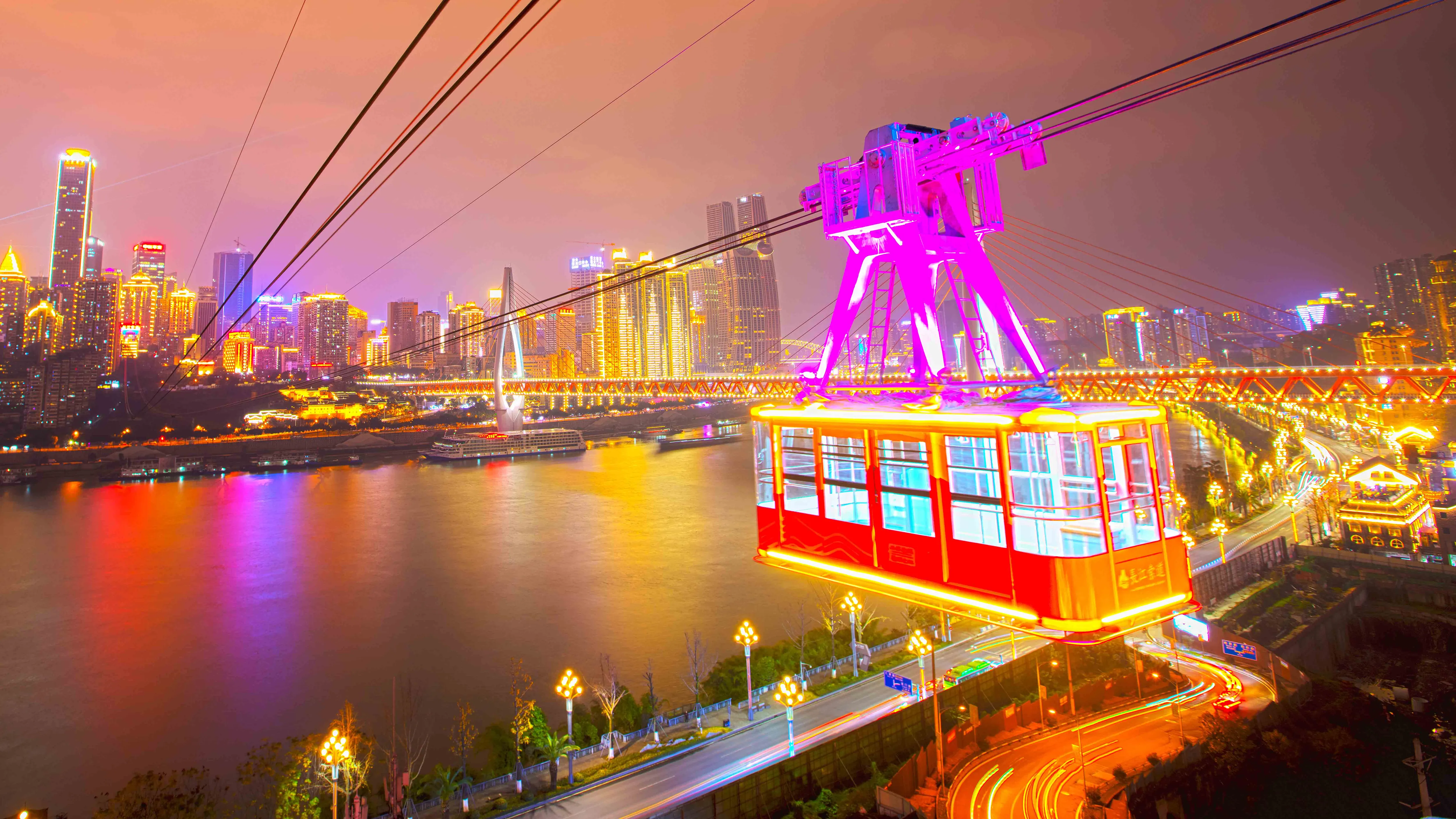
As night falls again, it's time to experience the city's unique "airborne transport"—the Yangtze River Cableway. Known as the "First Air Corridor over the Ten Thousand Li Yangtze," this roughly 4-minute ride glides you across the mighty river. Departing from the North Station (Xinhua Road), the cabin slowly ascends, revealing the shimmering river below and the brilliantly lit skyline of the Yuzhong Peninsula ahead—a flowing panorama of city lights unfolding like a river of stars.
It's advisable to book tickets in advance via the "Chongqing Cableway Co." WeChat account (30 RMB one-way). Consider boarding at the South Station (Shangxin Street) heading north for shorter queues and a more dramatic view of the peninsula. After disembarking, you can linger at the City Balcony viewing platform on Nanbin Road, letting the breeze carry the sights of Hongya Cave's lights and Qiansimen Bridge's glow.
🌄 Day 3: In-Depth Exploration of Nearby World Heritage Sites — Nature's Masterpieces and Millennia-Old Stone Carvings
Day three offers a choice between two world-class destinations. Whichever you choose, it promises a soul-stirring journey into nature and culture.
🏞️ Option A: Wulong Day Trip — The Fantasy Epic of Karst
Recommended Route: Downtown Chongqing → Wulong Three Natural Bridges → Longshuixia Fissure / Fairy Mountain → Return to Downtown
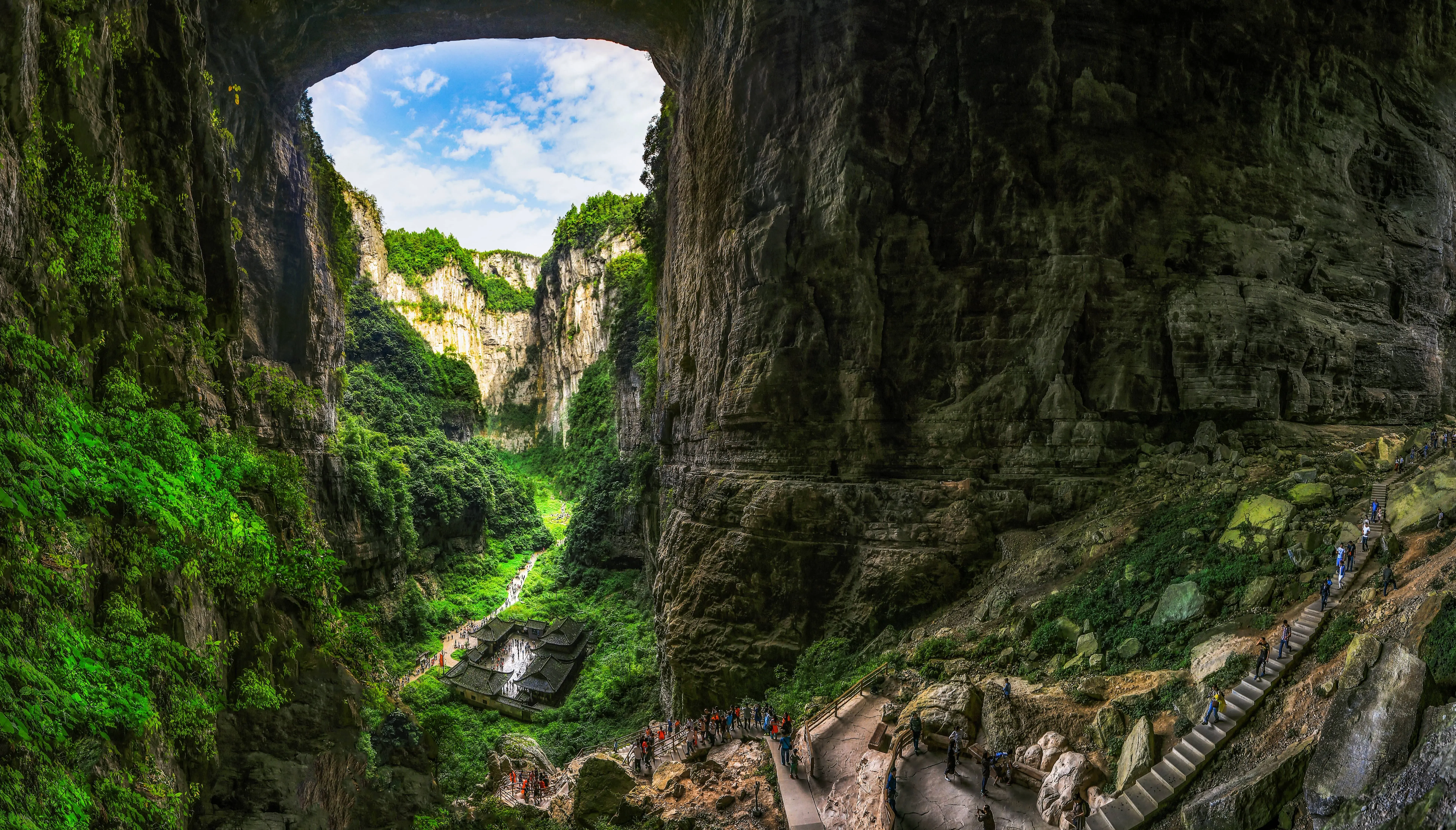
Depart early from downtown Chongqing (approx. 2-hour drive) to the Wulong Karst Tourist Area. Its core attraction, the Three Natural Bridges, is a UNESCO World Heritage site. Three immense natural stone arch bridges—Tianlong, Qinglong, and Heilong—span two giant sinkholes, creating the awe-inspiring geological wonder of "Three Bridges Clamping Two Pits." Standing beneath Tianlong Bridge, with the deep sinkhole below and the natural stone arch soaring above, sunlight streaming through feels divine. This site served as a filming location for Transformers: Age of Extinction and Curse of the Golden Flower. The ancient Tianfu Official Post nestled under Tianlong Bridge is an iconic cinematic scene.
If energy permits, visit Longshuixia Fissure. Descend into the gorge with sheer cliffs on either side, waterfalls cascading down, mist rising—like stepping into the earth's hidden crevice. For open vistas, Fairy Mountain National Forest Park offers alpine meadows, grazing horses, and gentle lambs—a picture-perfect, Hayao Miyazaki-like scene.
Cost Reference: Three Natural Bridges ticket ~135 RMB (incl. shuttle); Longshuixia Fissure ~115 RMB; Fairy Mountain ~50 RMB. Guided day tours range ~200-400 RMB, including transport, guide, and entry.
🪨 Option B: Dazu Day Trip — The Silent Whispers of Millennia-Old Carvings
Recommended Route: Downtown Chongqing → Dazu Rock Carvings (Baoding Mountain / North Hill) → Dazu Rock Carvings Museum → Return to Downtown
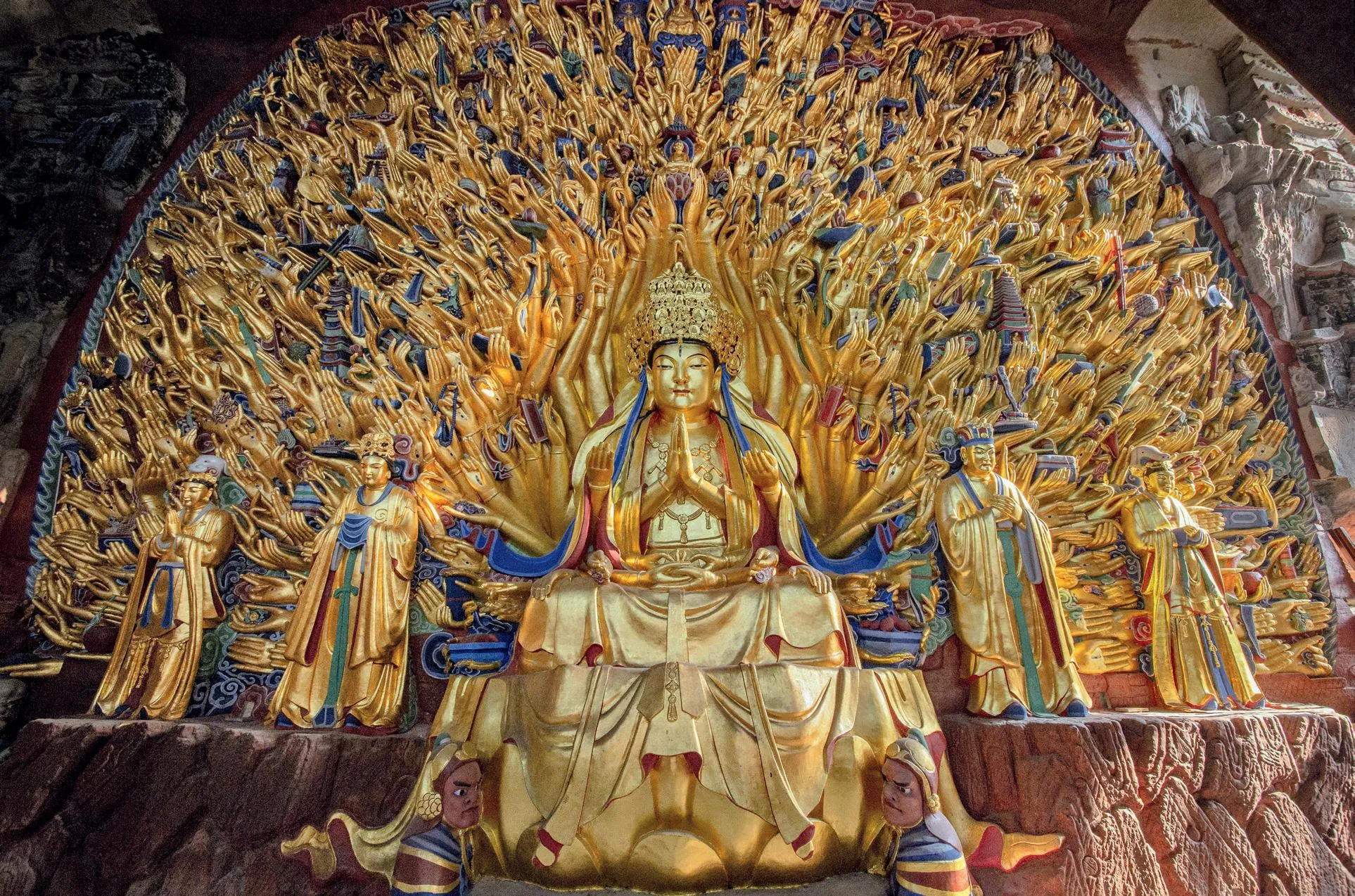
If history and culture captivate you, Dazu Rock Carvings is an unmissable destination. A UNESCO World Heritage site, its creation began in the early Tang Dynasty, continuing through the Five Dynasties and Song periods. The carvings on Baoding Mountain and North Hill represent the pinnacle of Chinese late-period grotto art. Unlike earlier sites like Longmen or Yungang, Dazu uniquely blends Buddhism, Daoism, and Confucianism, presenting secular, lifelike figures infused with earthly warmth.
Wander before the cliffs of Baoding Mountain, where exquisite stone figures stand in silent testimony. The Thousand-Armed Guanyin stretches her myriad hands like a fan across the rock face, each adorned differently, shimmering with gold. The Reclining Buddha (Nirvana of Sakyamuni) lies peacefully, seemingly imparting the essence of "Nirvana." Every chisel mark reflects ancient artisans' devotion; every statue conveys timeless compassion and wisdom.
Compared to Wulong, Dazu sees far fewer crowds, allowing for peaceful appreciation and photography. Dedicate a full day to explore Baoding Mountain and North Hill carvings in depth, and visit the Dazu Rock Carvings Museum to understand their historical and artistic context.
Cost Reference: Baoding Mountain ticket ~115 RMB; North Hill ~70 RMB; Combo ticket ~170 RMB. Guided day tours range ~300-500 RMB, including transport, guide, and entry.
🌈 Summary: Three-Day Journey Through the Multifaceted Charm of the Mountain City
This three-day itinerary is like a three-dimensional time machine. Starting from the thousand-year-old wharf of Ciqikou, traversing the old lanes of Shibati, feeling the urban pulse among Jiefangbei's skyscrapers, soaring over two rivers on the Yangtze Cableway, touching the intersection of art and everyday life between Sichuan Fine Arts' graffiti street and the Traffic Teahouse, and finally delving into the karst heart of Wulong or the stone-carved secrets of Dazu to listen to nature's and history's deepest whispers.
This is a perfect dialogue between urban energy and world-class heritage. Chongqing's allure lies not only in the magical, glittering lights of Hongya Cave but also in the human warmth hidden in its alleys, the natural wonders sculpted over eons nearby, and the millennia-old imprints of civilization.
No comments yet